Water Damage Assessments
Comprehensive Building Diagnostics to Protect Your Property and Health
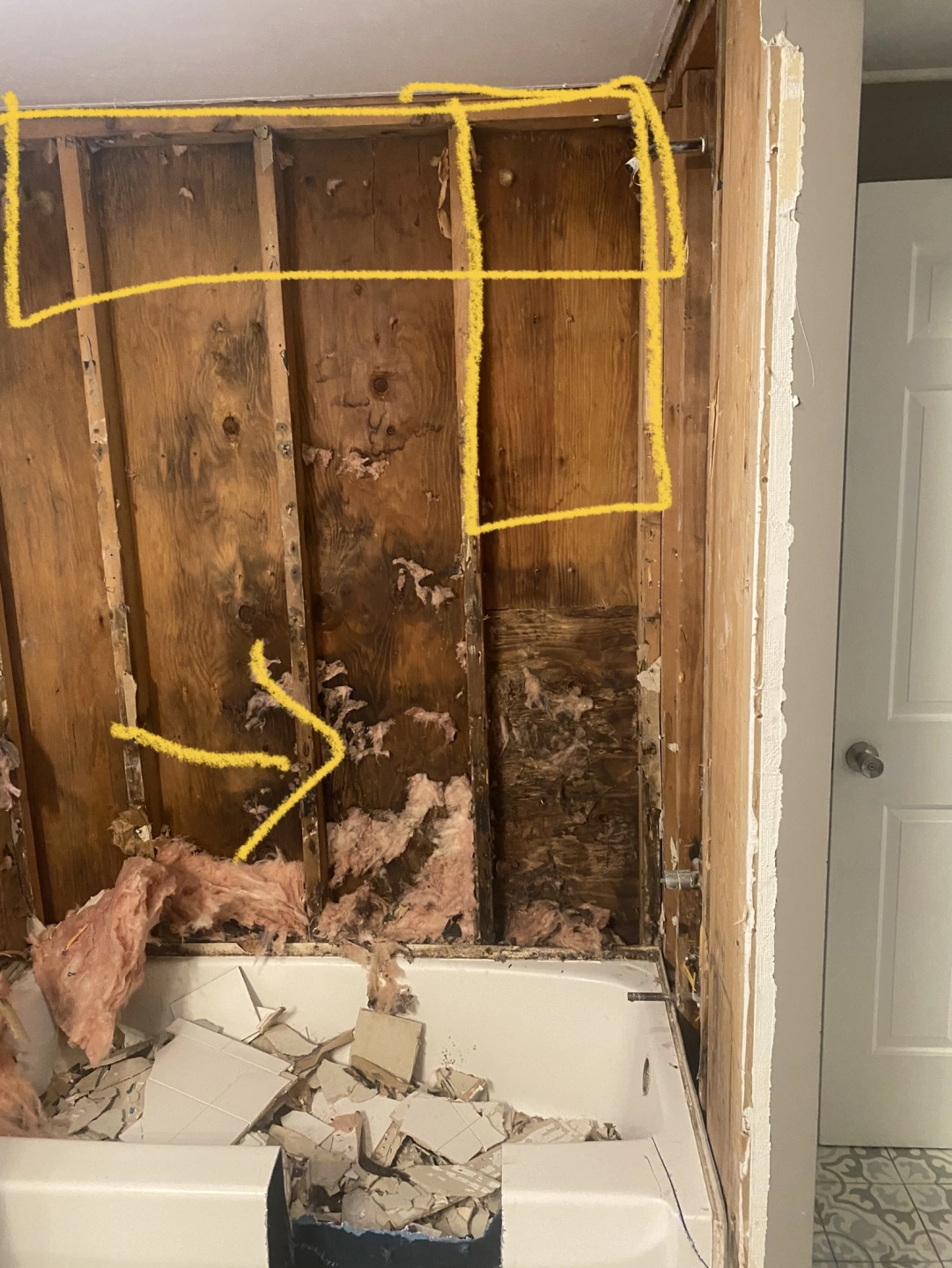
A water damage assessment takes a holistic look at the entire building envelope after water has entered. It answers the questions: Where did all that water go, what structural materials did it compromise, and has it created a health hazard?
Our professional assessments are designed to bring absolute clarity to complex moisture issues. By combining advanced building science with specialized diagnostic technology, we look past the surface symptoms to uncover the exact mechanisms driving the damage.
We provide property owners, managers, and insurers with the precise, data-driven roadmap required to protect their assets, eliminate structural risks, and resolve moisture problems permanently.
Prevent Structural Decay: Wood rot, warped drywall, and compromised foundations happen quickly when water is left to sit.
Stop Mould Before It Starts: Mould spores can begin to colonise within 24 to 48 hours of water exposure.
Protect Occupant Health: Exposure to damp environments and toxic mould can trigger respiratory issues, allergies, and chronic health symptoms.
Save on Long-Term Costs: Pinpointing the exact source of moisture prevents recurring damage and costly, repetitive repairs.
Signs of Water Damage
Water is remarkably adept at finding the path of least resistance, often traveling deep inside walls, subfloors, and ceiling cavities long before it disrupts your daily life. Because the initial stages of a structural leak or failed waterproofing membrane are frequently hidden from plain sight, understanding the subtle warnings your building gives off is critical.

Visual Signs of Water Damage
Visual cues are often the first tangible warnings that your building’s envelope or internal plumbing has been compromised, though they are frequently mistaken for minor cosmetic wear. When water breaches a cavity, it slowly saturates porous materials like drywall, plaster, and timber, causing them to expand and lose structural integrity. This presents on the surface as blistering, peeling, or cracking paint, as well as distinct "bubbling" along skirting boards and door frames where moisture has pooled at the floor level.
Structural Signs of Water Damage
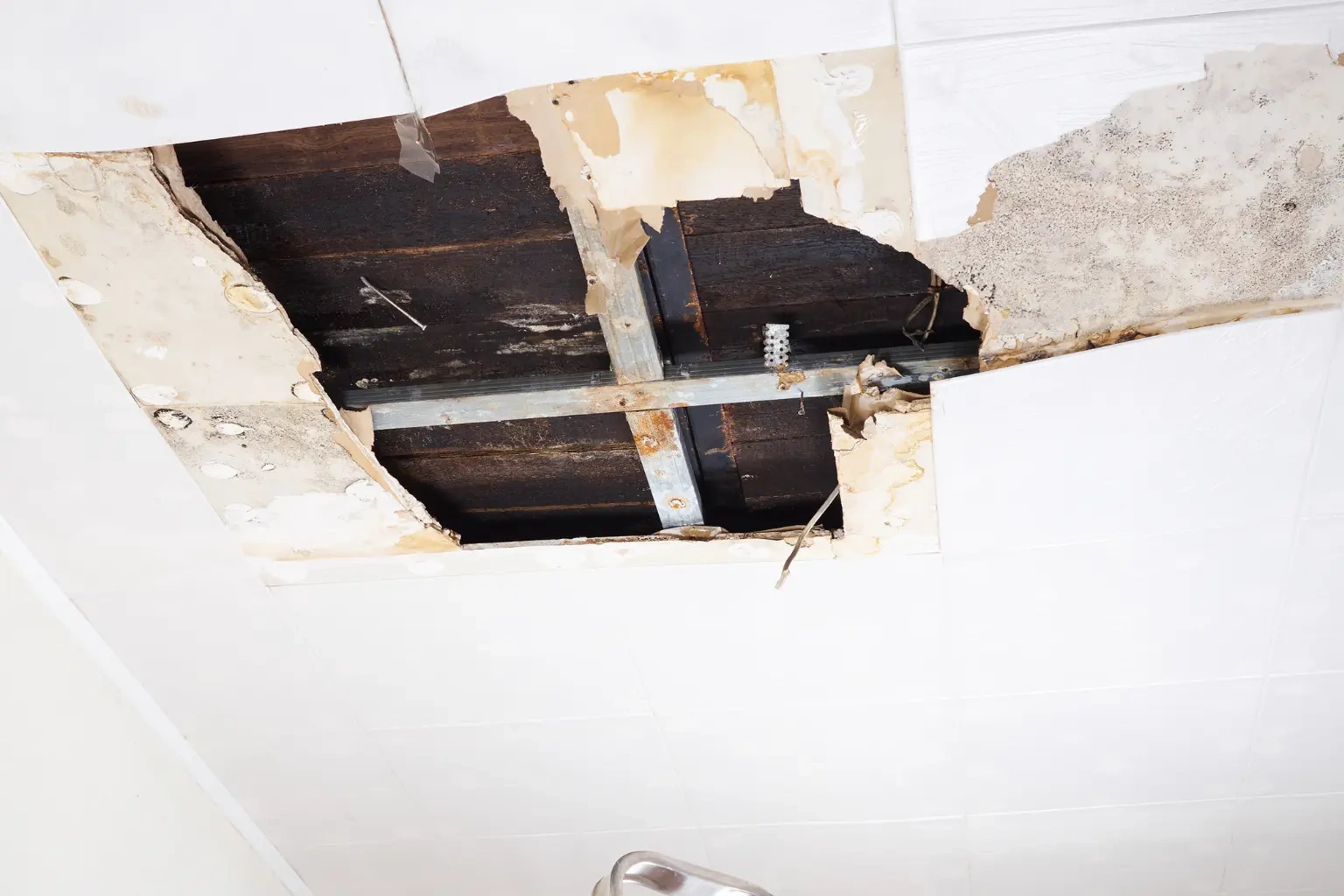
Structural warnings indicate that moisture has progressed past the surface layer and is actively degrading the core infrastructure of your property. Timber and modern engineered flooring (such as laminate or vinyl planks) are highly susceptible to moisture; when exposed to sustained dampness from a subfloor leak or slab moisture ingress, the material will swell, leading to warping, cupping, or buckling underfoot. In bathrooms and kitchens, you may notice tiles beginning to crack, grout crumbling away, or silicone seals pulling apart. Overhead, a sagging, bowed, or soft ceiling is a critical warning sign that water is accumulating in the ceiling cavity, often trapped by insulation, which poses an immediate safety hazard if left unaddressed.

Sensory/Environmental Signs of Water Damage
Some of the most dangerous moisture issues are entirely invisible to the naked eye, revealing themselves only through your senses and changes in the indoor environment. A persistent, pungent, or earthy "musty odor" is a primary warning sign that should never be ignored. This distinct smell is caused by Microbial Volatile Organic Compounds (mVOCs), which are gases released by hidden mould colonies actively growing and digesting building materials inside wall cavities, ceiling voids, or under carpets.
Beyond smell, the building's ecosystem changes; a sudden, unexplained spike in indoor humidity can cause condensation to continuously pool on window glass and metal frames, creating a secondary cycle of dampness. Most importantly, the indoor air quality will deteriorate as billions of microscopic mould spores and fragments are released into the air. This often triggers immediate health responses in occupants—such as sudden, chronic allergy flare-ups, persistent coughing, sinus congestion, watery eyes, headaches, or heightened asthma symptoms that curiously improve whenever you leave the property.
Who We Help

Residential Property Owners & Occupants
For homeowners and tenants, a water leak or mould outbreak isn't just a property issue—it’s a direct threat to family health and financial security.
Homeowners: We help you protect your biggest asset. If you’ve experienced a sudden burst pipe, ongoing flash flooding, or mysterious damp smells, we pinpoint the exact issue so you don't waste thousands on trial-and-error repairs.
Landlords: Protect your investment property and mitigate liability. We provide definitive proof of whether a dampness issue is structural (e.g., rising damp or a failed waterproofing membrane) or lifestyle-related, helping resolve tenant disputes fairly.
Prospective Buyers: Avoid buying a "lemon." Our pre-purchase moisture inspections uncover hidden water damage, past flooding cover-ups, or structural leaks before you sign the contract.
Strata, Body Corporate & Property Managers
Managing multi-residential buildings introduces complex liabilities and shared property disputes. When a leak occurs in a strata building, determining who is responsible can take months of arguing.
Unbiased Determinations: We trace leaks between lots (e.g., a leaking shower on the second floor impacting the ceiling of the first floor) to establish clearly whether the issue originates from common property or a private lot.
Clear Documentation for Committees: We provide objective, scientifically backed reports that body corporate committees can use to confidently approve repair budgets and insurance claims.
Tenant Health Compliance: We ensure property managers meet their legislative obligations to provide a safe, habitable living environment, minimizing the risk of costly tribunal disputes.
Insurance Builders & Remediation Contractors
While we do not perform remediation work ourselves, we act as the essential first step and final check for the professionals who do.
Scope of Works Definition: We provide contractors with a precise, data-driven "blueprint" of what needs to be dried, removed, or treated, ensuring accurate quoting and efficient project timelines.
Post-Remediation Verification (PRV): Once the drying or mould removal is complete, we conduct independent clearance testing. This officially certifies that the moisture levels have returned to dry standards and the air quality is safe, signing off the project with zero conflict of interest.
Phone Number: 0411 271 174
Email Address: admin@sunshinecoastwaterproofing.com.au
Office Location: Sunshine Coast, QLD
QBCC Licence Number: 15441917
ABN: 22 666 103 322